
The most fuel-efficient practices for long-haul truck drivers include maintaining vehicles properly, driving at steady speeds, reducing idle time, planning routes carefully, and monitoring fuel use with telematics. These habits help lower costs, reduce emissions, and keep trucks running longer on every trip.
Fuel is one of the largest expenses in transport, and even small changes in driving habits or maintenance routines can make a big difference. Across Australia’s long routes, efficient driving means fewer stops for fuel, less wear on engines, and more consistent performance for the fleet.
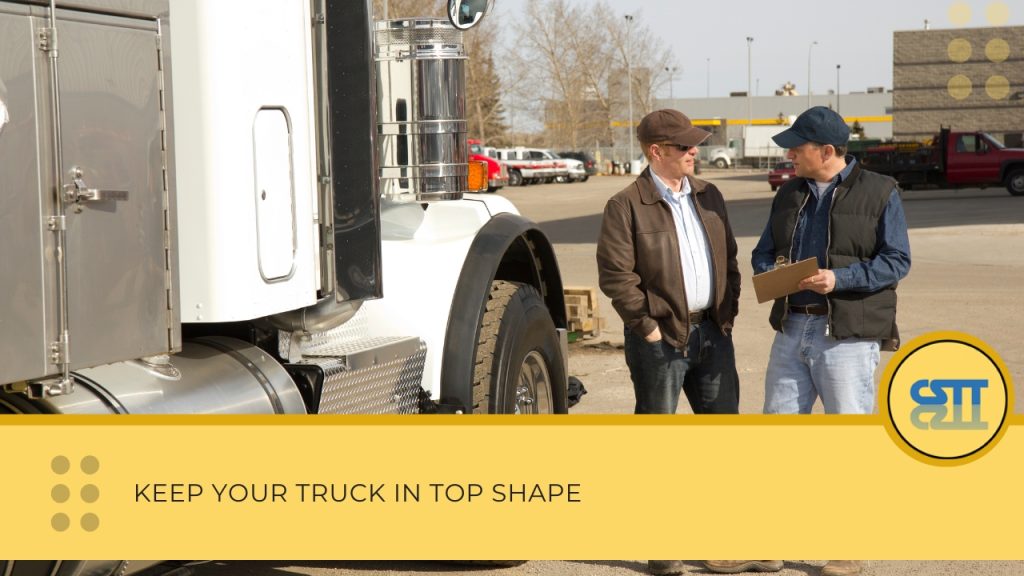
1. Keep Your Truck in Top Shape
A well-maintained truck burns less fuel and stays reliable on long trips. When engines work harder than they should, fuel use increases and wear on parts accelerates. Keeping everything tuned helps reduce both costs and downtime.
Start with the basics: check tyre pressure weekly, replace filters on time, and keep the wheel alignment correct. Inspect injectors and fuel lines for leaks or buildup that could affect efficiency. Even a small drop in pressure or dirty air filter can reduce performance noticeably.
A clean, well-serviced truck runs smoother, uses less fuel, and delivers better results across every kilometre of the journey.
2. Watch Your Speed and RPMs
Driving within the right speed range is one of the easiest ways to save fuel. Every truck engine has an efficiency zone, usually between 1,200 and 1,500 RPM, where it delivers the best power with the least fuel. Staying within this range helps reduce fuel use and wear on the engine.
Cruising between 90 and 95 kilometres per hour can cut fuel consumption by up to ten percent compared to higher speeds. On open highways, use cruise control on flat stretches to keep your speed steady. Avoid quick bursts of acceleration or unnecessary gear changes, as these waste both fuel and momentum.
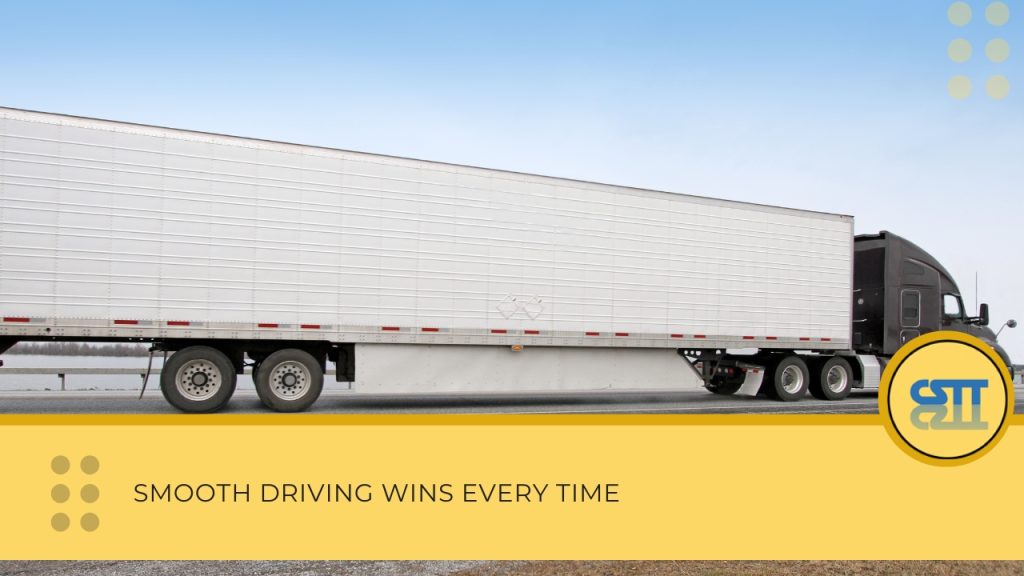
3. Smooth Driving Wins Every Time
Fuel efficiency often comes down to how smoothly a driver handles the truck. Quick acceleration and hard braking waste fuel and make the ride rougher for both the driver and the truck. Smooth movements keep momentum steady and reduce stress on the engine, gearbox, and brakes.
Good drivers read the road ahead, plan their moves early, and avoid sudden changes in speed. Easing into hills and letting the truck roll naturally on descents saves energy and keeps fuel use low. Over long runs, this kind of steady driving adds up to real savings and a smoother trip.
4. Cut Down Idle Time
Leaving a truck running while parked might seem harmless, but it wastes fuel faster than most drivers realise. A heavy vehicle can burn up to three litres of diesel every hour while idling. Over a year, that can add up to hundreds of litres lost without covering a single kilometre.
Switch off the engine during long waits, rest breaks, or loading times. When parked overnight, use an auxiliary power unit or cab heater instead. Planning routes and rest stops ahead of time can also help reduce waiting periods at depots. These small changes save fuel and keep engines in better condition for the long run.
5. Plan Smarter Routes
Good planning saves both time and fuel. Choosing the right route can make a noticeable difference to how efficiently a truck runs. Congested roads, steep climbs, and unnecessary detours all use more diesel and increase wear on the vehicle.
Modern GPS systems and route planning apps can help drivers avoid these costly obstacles. Tools like Teletrac Navman, TruckMate, or Google Maps for heavy vehicles show real-time traffic, road conditions, and height restrictions. Local knowledge also goes a long way. Other drivers often know which bypasses or rest stops help save both time and fuel. Combining technology with experience keeps every trip smoother and more efficient.

6. Manage Weight and Aerodynamics
The heavier the load, the more fuel the truck uses. Keeping weight under control and managing air resistance are key to better fuel economy. Check that loads are balanced and secured, and avoid carrying unnecessary equipment that adds weight.
Aerodynamics also play a major role on long trips. Roof fairings, side skirts, and cab extenders help reduce drag and improve airflow around the truck. Tight tarps and clean surfaces make a noticeable difference at highway speeds. Even small improvements can save fuel across thousands of kilometres each year.
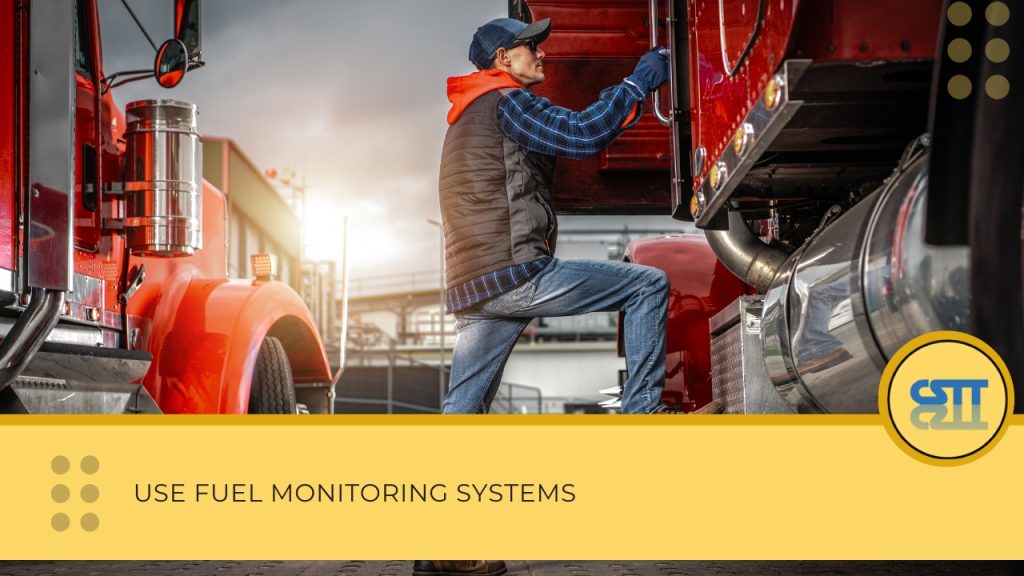
7. Use Fuel Monitoring Systems
Modern fuel monitoring systems can tell you far more than how much diesel a truck uses. They track how the vehicle is driven, including idling time, acceleration, and average speed. Reviewing this information helps identify habits that waste fuel and gives drivers a chance to make small adjustments that add up over time.
Fleet managers can use these insights to compare performance between vehicles and recognise drivers who save fuel. A few minutes less idling or smoother acceleration each day can save hundreds of litres of diesel across a year. Monitoring fuel use is an easy way to cut costs and improve efficiency across any fleet.
8. Keep Learning
Even experienced drivers can find new ways to save fuel. Training programs on fuel-efficient driving often teach small habits that make a big difference, such as shifting at the right RPM, reading the road ahead, and keeping a steady pace.
Many transport companies now run refresher courses or offer coaching sessions that focus on efficiency. These are worth taking, especially when fuel prices are high. They not only cut fuel use but also improve safety and reduce wear on vehicles. A few hours spent learning smarter driving techniques can pay off across every trip.
9. The Bottom Line
Fuel efficiency is not just about saving money. It is about running trucks that perform well, last longer, and reduce their impact on the environment. Every small improvement adds up, from smoother driving to better maintenance and smarter planning.
Drivers who pay attention to how they drive can make a real difference to operating costs over time. Fleet managers who support these habits see fewer breakdowns and more reliable performance across their trucks. When everyone focuses on efficiency, the benefits reach the whole business.
Driving Smarter with CSTT
Fuel-efficient driving is about consistency, awareness, and the right tools. When trucks are well-maintained and drivers focus on efficiency, the results show in lower fuel costs and better reliability.
For fleet operators across Australia, CSTT provides practical solutions that help improve performance, reduce waste, and support long-term vehicle health. To find out more about fuel management and fleet optimisation, contact us.