
Transporting dangerous goods requires full compliance with Australian safety laws to protect people, property, and the environment. The process involves strict procedures for identifying, packaging, labelling, and securing hazardous materials before transport.
Each substance must be classified according to its hazard type under the Australian Dangerous Goods (ADG) Code. Proper packaging and clear hazard labels ensure that materials are easily identified during handling and emergencies.
Drivers and transport operators must also hold the correct licence and carry documentation outlining the type of goods, safety precautions, and emergency contact details. With trained personnel and approved equipment, dangerous goods can be moved safely and efficiently across Australia.
Understanding Dangerous Goods
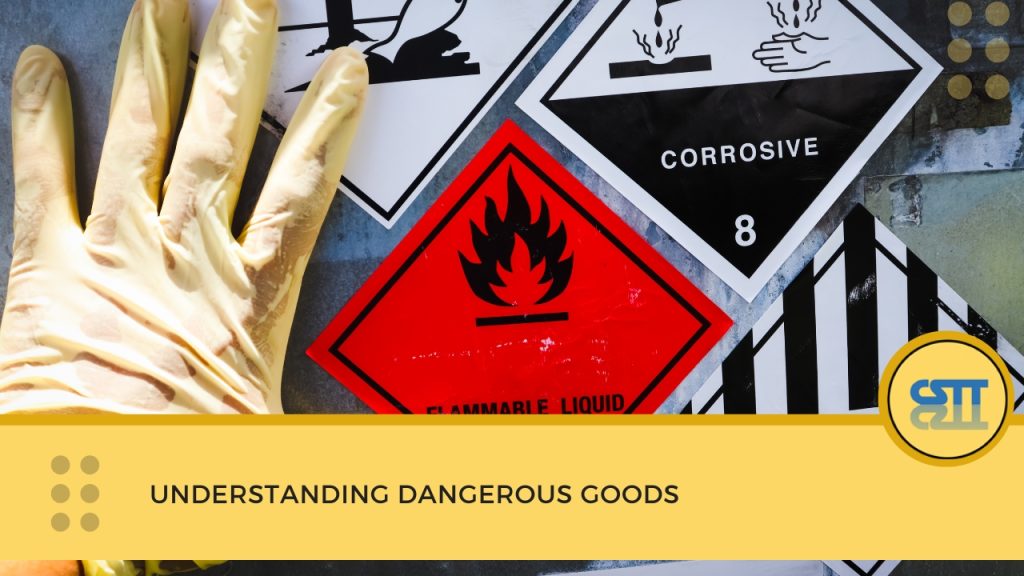
Dangerous goods are substances or items that pose a risk to health, property, or the environment when transported. They are classified under the Australian Dangerous Goods (ADG) Code, which sets the rules for how these materials are packaged, labelled, documented, and moved.
The ADG Code divides dangerous goods into nine hazard classes, including explosives, gases, flammable liquids, oxidising substances, toxic and infectious materials, radioactive items, and corrosives. Each class has specific requirements for handling and packaging to reduce risk during transport.
Correct identification is essential before moving any hazardous item. This ensures that the right containers, labels, and safety measures are used, helping drivers, handlers, and emergency responders manage each product safely and in compliance with Australian law.
Training and Licensing Requirements
Anyone involved in transporting dangerous goods in Australia must complete approved training and hold the correct licence. This ensures they understand how to handle hazardous materials safely and follow national laws.
Training covers essential areas such as:
- Classification and identification of hazardous materials
- Packaging, loading, and unloading procedures
- Legal responsibilities under the Australian Dangerous Goods (ADG) Code
- Vehicle placarding and documentation requirements
- Emergency response and spill management
Licensing rules vary depending on the type and amount of goods being transported. Drivers must carry valid certification at all times, as authorities may request proof during inspections. Proper education and licensing help reduce risk and ensure compliance with safety and transport regulations.
Packaging and Labelling
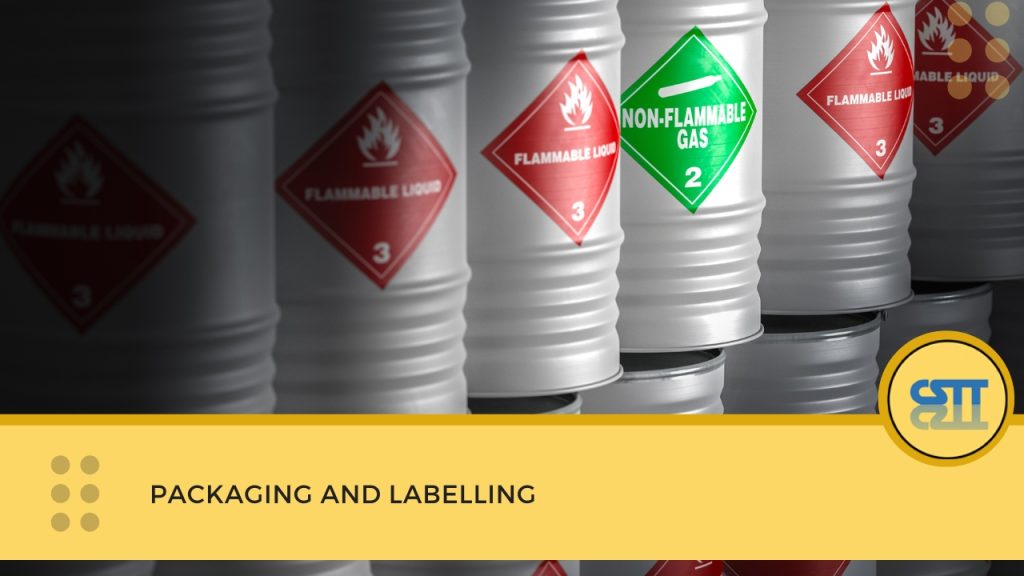
Correct packaging and labelling are essential to ensure dangerous goods are transported safely. Packaging must be designed and tested for the specific hazard class to prevent leaks, punctures, or damage during handling and transit.
Each container must display the correct hazard diamond, UN number, and handling instructions. Labels must be clear, durable, and placed where they can be easily seen by anyone handling the goods or responding to an emergency.
Before transport, operators should confirm that all seals are secure and that incompatible materials are not packed together. Following these practices helps prevent chemical reactions, spills, or cross-contamination during movement.
Documentation and Compliance
Accurate documentation is a key requirement when transporting dangerous goods. It ensures that drivers, handlers, and authorities can identify the materials being moved and take the correct action in an emergency.
The following documents must be carried in the vehicle:
- Dangerous goods transport form
- Safety Data Sheets (SDS)
- Emergency information panels
- Vehicle placards with hazard symbols
These records provide essential information such as product classification, safety measures, and emergency contact details. Drivers should always check that documents are complete, accurate, and aligned with the Australian Dangerous Goods (ADG) Code. Keeping up-to-date paperwork helps avoid compliance issues and supports safer transport operations.
Vehicle Safety and Inspection
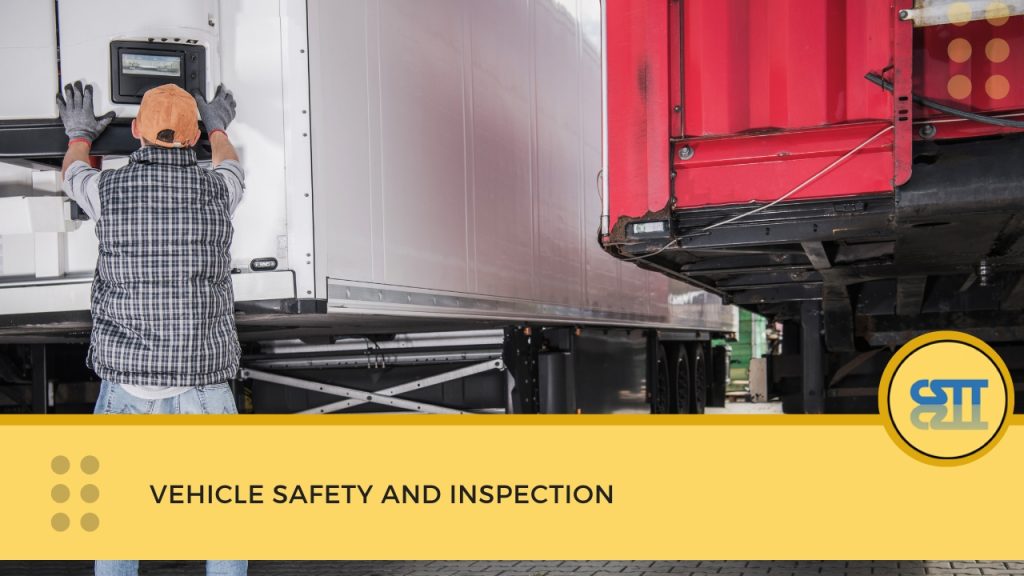
Vehicles used to transport dangerous goods must meet strict safety and maintenance standards to remain compliant with Australian regulations. Before each journey, drivers are responsible for ensuring that the vehicle is in safe operating condition and equipped with the necessary safety gear.
Inspections should cover essential components such as brakes, tyres, lights, fire extinguishers, and spill kits. Safety signage and hazard placards must also be secure and visible. Any issues found during inspection must be fixed before departure to avoid delays or penalties.
Vehicles should also carry first aid kits, containment tools, and emergency response instructions. Maintaining vehicles to these standards not only supports legal compliance under the Australian Dangerous Goods (ADG) Code but also protects drivers, the public, and the environment throughout the transport process.
Emergency Preparedness
Even with careful planning and compliance, incidents can occur during the transport of dangerous goods. Drivers and handlers must be prepared to respond quickly and effectively to minimise harm.
Training in emergency procedures is essential and should include containment methods, evacuation steps, and reporting protocols. Every vehicle must carry accessible emergency contact information, spill control materials, and safety equipment suitable for the goods being transported.
In the event of an accident or spill, drivers should secure the area, alert emergency services, and follow approved response instructions from the safety documentation. Prompt and informed action helps reduce risk to people, property, and the environment while supporting compliance with Australian safety standards.
Working with Certified Professionals

Transporting dangerous goods safely requires experience, proper certification, and a full understanding of Australian transport laws. Partnering with certified professionals ensures that each stage of the process, including classification, packaging, loading, delivery, and documentation, follows national safety standards.
Qualified operators are trained to recognise potential risks, apply the correct safety measures, and maintain compliance with the Australian Dangerous Goods (ADG) Code. Their skills help prevent incidents, improve transport safety, and ensure goods reach their destination securely.
Businesses that manage hazardous materials should work with licensed carriers and trained personnel to strengthen workplace safety. This approach supports legal compliance, reduces risk, and shows a clear commitment to protecting people, property, and the environment.
Safe and Compliant Dangerous Goods Transport
Transporting dangerous goods safely requires careful preparation, reliable equipment, and knowledge of Australian transport regulations. Following the correct procedures for packaging, labelling, documentation, and vehicle inspection reduces risk and helps protect people and the environment.
Businesses that transport or handle hazardous materials should prioritise training and compliance to maintain safety at every stage. Working with certified operators also ensures that goods are moved efficiently while meeting the legal standards outlined in the Australian Dangerous Goods (ADG) Code.
For professional training and licence certification, contact CSTT to find out more about dangerous goods transport requirements and safety courses designed for Australian conditions.