
The Safe Load Program, or SLP, is the safe load training program that lets a driver enter a fuel terminal or depot to load a bulk fuel tanker. It’s owned jointly by Ampol, BP and Viva Energy, and it’s used across their terminals nationally. If you’re already driving tankers under a Dangerous Goods licence, you’ll likely need an SLP card too, but only if fuel terminal access is actually part of the job. If your work is in gas or chemical transport rather than bulk petroleum, the answer is usually no. Here’s what the program covers, who genuinely needs the card, and where gas and chemical drivers should look instead.
What the Safe Load Program Actually Covers
SLP is training and an identification card, not a licence in its own right. It sits on top of a Dangerous Goods driver’s licence, which is the legal requirement for anyone moving bulk dangerous goods, fuel included, by road. Where SLP adds value is at the terminal gate. Participating oil companies use it as a single, recognised standard, so a driver doesn’t need separate induction training at every depot they visit.
Who Actually Needs an SLP Card
SLP is aimed at drivers and contractors who physically enter a fuel terminal or depot to load bulk petroleum. That’s typically tanker drivers delivering to service stations, industrial sites and other depots on behalf of a transport company servicing an Ampol, BP or Viva Energy terminal. It also covers relief and casual drivers who fill in across a fleet, since the card belongs to the individual driver rather than the vehicle or the employer. To take the course, you’ll need to hold, or already be enrolled in, a Dangerous Goods driver’s licence, be at least 21 years old, and be able to read, write and understand English well enough to follow terminal safety procedures.
A business running its own small fleet, rather than contracting to a terminal operator, still needs SLP for any driver who picks up fuel directly from an Ampol, BP or Viva Energy site. It’s the terminal that sets this requirement, not the driver’s own employer, so it applies regardless of whether you’re an owner-driver or on the books of a larger transport company.
Does the Safe Load Program Cover Gas or Chemical Transport?
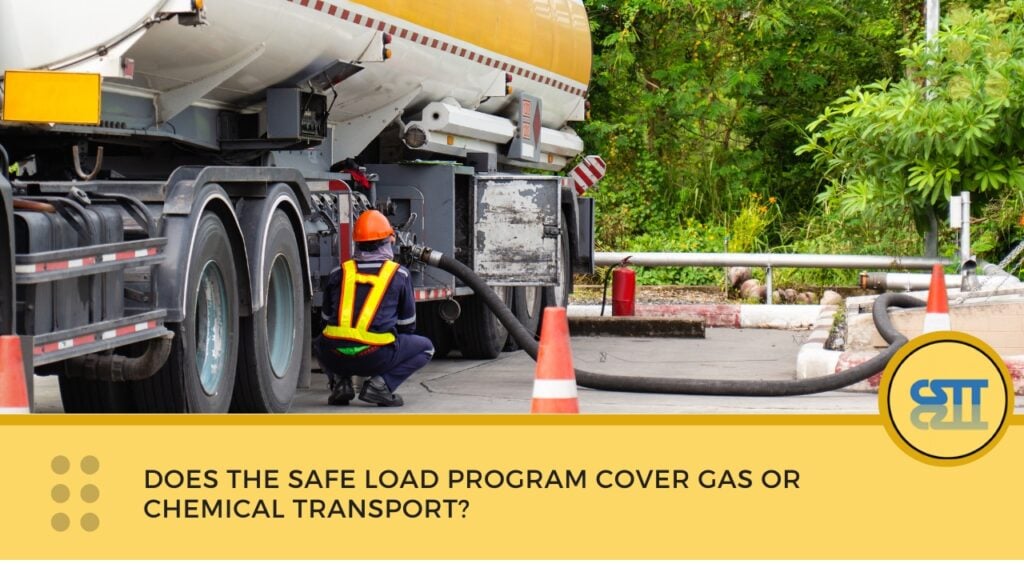
No, and this is where a lot of confusion sets in. SLP is specific to bulk petroleum, run by the three oil companies that own it, for access to their own fuel terminals. Gas and chemical transport still falls under Dangerous Goods regulation in Australia, the same Australian Dangerous Goods Code that governs fuel, and drivers moving LPG or bulk chemicals still need a Dangerous Goods driver’s licence. What they don’t need is an SLP card, since SLP access requirements are set by fuel terminal operators, not by gas plants or chemical sites, which run their own site-specific inductions instead. If your work sits in that space, a Dangerous Goods Awareness course is generally the more relevant training to look at.
What’s Involved in the Training
The course itself runs for around four hours, covering terminal safety, static electricity and ignition risks, and the practical steps of connecting, loading and disconnecting a tanker safely, followed by an online competency assessment. We’ve broken down the full five training modules and the program’s history in an earlier post, The Safe Load Program Course, if you want the detail behind each one.
The SLP Card Itself
Once you pass, you’re issued a Safe Load Program identification card carrying your photo, ID number and expiry date. It’s valid for two years, after which you’ll need further assessment, and sometimes retraining, to keep it current. The card doesn’t replace your Dangerous Goods licence or any other permit you’re legally required to hold. It sits alongside them as terminal-specific proof of competency.
Getting Your SLP Card on the Central Coast
CS Transport Training runs the Safe Load Program course locally, in a single four hour session. The cost is $295 for the course plus a $200 SLP application fee. You’ll need your Dangerous Goods driver’s licence, or evidence you’re enrolled in one, before you book. Onsite courses are also available for transport companies with enough drivers to fill a session.
FAQs
Do I need an SLP card if I already have a Dangerous Goods licence?
Yes, if your job involves entering a fuel terminal or depot to load bulk petroleum. The Dangerous Goods licence covers the legal transport side, while SLP is the terminal access credential the oil companies require on top of it.
Does the SLP card replace my Dangerous Goods licence?
No. It’s an additional, terminal-specific card, not a substitute for any licence or permit you’re already required to hold.
How long does an SLP card last?
Two years from the date it’s issued, after which you’ll need to be reassessed to keep it current.
Do gas or LPG tanker drivers need an SLP card?
Generally, no. SLP is run by the oil companies for access to their own fuel terminals. Gas and chemical transport is still governed by Dangerous Goods regulation, but access to gas and chemical sites is managed through the site’s own induction process rather than an SLP card.
How long does the training take?
The classroom component runs for about four hours, followed by an online assessment before your card is issued.
What happens when my SLP card is due for renewal?
You’ll need to be reassessed for competency before your two years is up. If it’s allowed to lapse, expect to redo the full training rather than a shorter refresher, so it’s worth booking renewal training before the expiry date rather than after it.