
Tipper trucks are one of the most widely used heavy vehicles in Australia. You will find them on construction sites, mine sites, farms, and roadworks projects across the country. Their ability to carry and quickly unload loose bulk materials makes them useful in more industries than most people realise.
Here is a look at where tippers are commonly used and what drivers need to operate them.
What Makes a Tipper Truck Versatile
The defining feature of a tipper truck is the hydraulic tipping body. The tray raises at the rear, allowing the load to slide out without manual unloading. That simple mechanism means one driver and one vehicle can deliver and deposit bulk materials quickly, repeatedly, and without additional equipment on site.
Tippers come in a range of configurations. Small rigid tippers handle tight urban sites. Larger semi-tipper combinations move high volumes over longer distances. Articulated dump trucks operate on rough terrain where road-registered vehicles cannot go. That range of configurations is a large part of what makes the tipper such a practical workhorse across different industries.
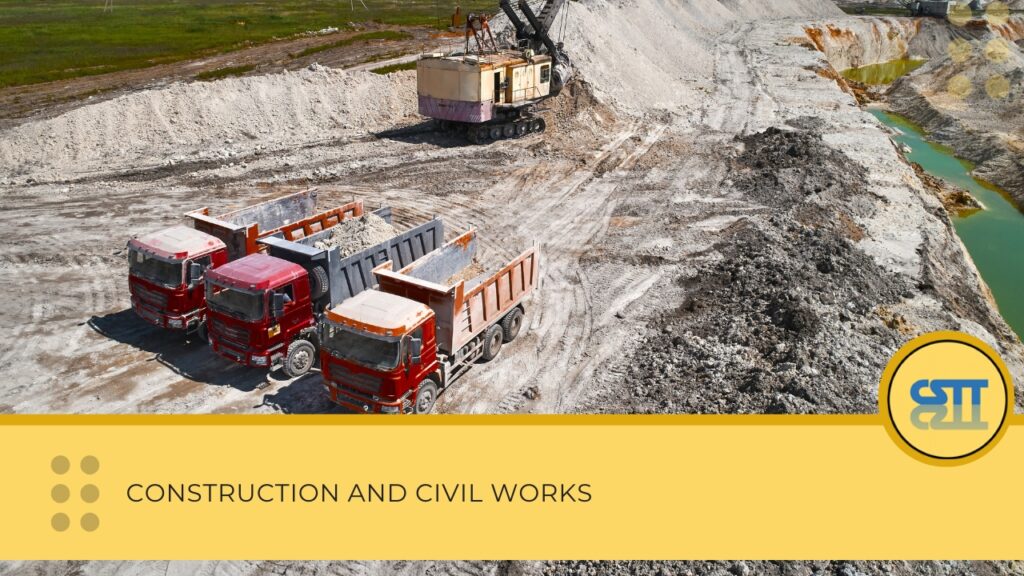
Construction And Civil Works
Construction is the most common setting for tipper trucks. They move excavated soil and rock away from a site, deliver sand, gravel, and crushed rock for foundations and sub-bases, and remove demolition debris. On large civil projects such as road upgrades and subdivisions, a fleet of tippers running continuous cycles is often what keeps the job on schedule.
Drivers working on construction sites need to be familiar with site-specific safety requirements, load restraint obligations, and in many cases Chain of Responsibility compliance, as construction projects often involve tight delivery schedules that can put pressure on drivers.
Mining And Quarrying
Tipper trucks are central to mining and quarrying operations. Off-road articulated dump trucks move ore and overburden within the mine site, while road-registered tippers carry processed material from the quarry to its destination. Mine sites in the Hunter Valley and across NSW rely heavily on tipper operations, and drivers working on these sites typically need additional safety certifications on top of their heavy vehicle licence.
Roadworks And Infrastructure
Road construction and maintenance projects depend on tippers to deliver and spread asphalt, aggregate, and fill material. The ability to tip directly onto the road surface or into a paver makes them well suited to this work. Drivers on roadworks sites often work within live traffic environments, which adds an additional layer of safety awareness to the role.
Agriculture
In rural NSW, tippers are used to move grain, fertiliser, sand, and farm supplies. They are also used for earthworks on rural properties, moving topsoil, gravel, and irrigation materials. Farmers and agricultural contractors operating tippers on public roads are subject to the same heavy vehicle licensing and fatigue management requirements as any other operator.
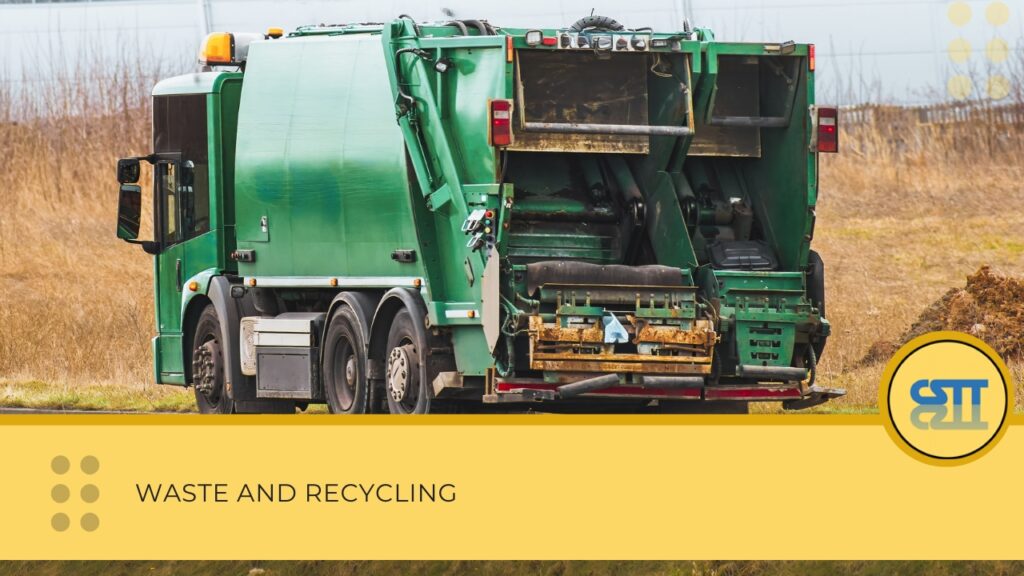
Waste and Recycling
Tipper trucks are used throughout the waste management industry to move construction and demolition waste, green waste, and bulk recyclables. Many transfer stations and recycling facilities are designed specifically to receive tipper loads, making this a steady source of work for tipper operators in urban and regional areas alike.
What Licence Do You Need to Drive a Tipper Truck?
The licence class required depends on the vehicle configuration. A rigid tipper with a GVM over 8 tonnes requires a Heavy Rigid (HR) licence. A semi-tipper combination requires a Heavy Combination (HC) licence. If the vehicle carries dangerous goods such as bulk chemicals or fuel, a Dangerous Goods licence is also required.
CSTT offers heavy vehicle driving courses covering HR and HC licences, as well as associated courses including Dangerous Goods, Chain of Responsibility, and more. Training is based in Newcastle and available across the Hunter Valley, Central Coast, and broader NSW.
If you are looking to get your tipper licence or want to understand what your drivers need before they start, call us on 0434 366 758 or email chris@cstt.com.au.