
Whether you are a business bringing a prime mover driver onto your team or a driver looking to get behind the wheel of a heavy combination, there are licence requirements, compliance obligations, and legal responsibilities that need to be understood before the job starts. Getting those things right from the beginning saves a lot of problems down the road.
Licence Class Matters More Than Most People Realise
A heavy vehicle licence is not one-size-fits-all. A prime mover pulling a semi-trailer requires a Heavy Combination (HC) licence at minimum. If the vehicle will be operating B-doubles or road trains, a Multi Combination (MC) licence is required. For drivers, this means understanding which licence class you need before you apply for a role. For businesses, it means verifying the correct class for the vehicle and configuration before a driver starts.
Hiring or operating without the correct licence class is a serious compliance issue, and the liability sits with both the driver and the employer.
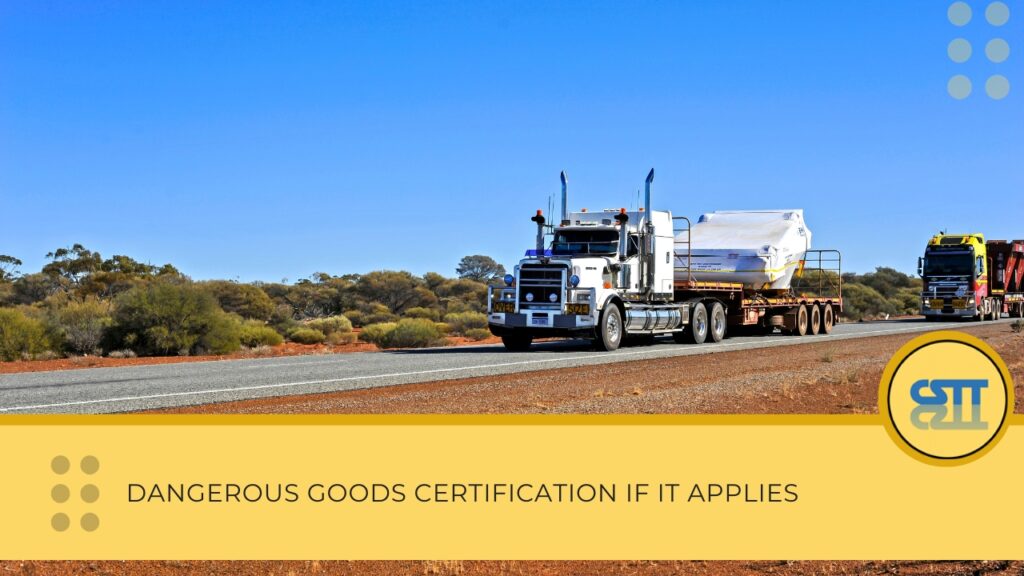
Dangerous Goods Certification If It Applies
If your prime mover will be carrying dangerous goods, such as fuels, chemicals, or gas cylinders, the driver needs the appropriate dangerous goods licence in addition to their heavy vehicle licence. This is a separate certification under the ADG Code, and it is a legal requirement, not an optional extra.
The threshold that triggers the requirement is lower than most people expect. Drivers transporting more than 500 litres of dangerous goods by volume, or more than 500 kilograms in a single receptacle, need to be certified.
Chain Of Responsibility Obligations
Under Heavy Vehicle National Law, Chain of Responsibility (CoR) means that compliance obligations do not stop with the driver. As a business that engages a prime mover operator, you are part of the chain. If a driver breaches fatigue laws, mass limits, or speed requirements, and it can be shown that your business practices contributed to or failed to prevent that breach, you can be held liable.
This includes things like unrealistic delivery schedules, pressure to meet timeframes that encourage speeding or fatigue, and failure to verify that drivers are properly licensed and rested. CoR applies to fleet managers, operations managers, and business owners alike.
If your team needs a clear understanding of these obligations, Chain of Responsibility training covers exactly this.
Fatigue Management
Under the Heavy Vehicle (Fatigue Management) National Regulation, drivers of fatigue-regulated heavy vehicles must comply with maximum work hours and minimum rest requirements. The exact limits depend on whether the driver operates under standard hours, Basic Fatigue Management (BFM), or Advanced Fatigue Management (AFM), each of which has different allowances and record-keeping obligations. Drivers travelling more than 100km from their home base must carry and complete a National Driver Work Diary.
Fatigue offences are determined by whether the driver exceeded allowable work hours or fell short of rest requirements. Whether the driver was actually fatigued is not relevant to the offence.
As the employer or engaging business, you are responsible for ensuring your scheduling does not put drivers in a position where they cannot legally comply. If they breach fatigue rules to meet your deadlines, that is a CoR issue for your business.
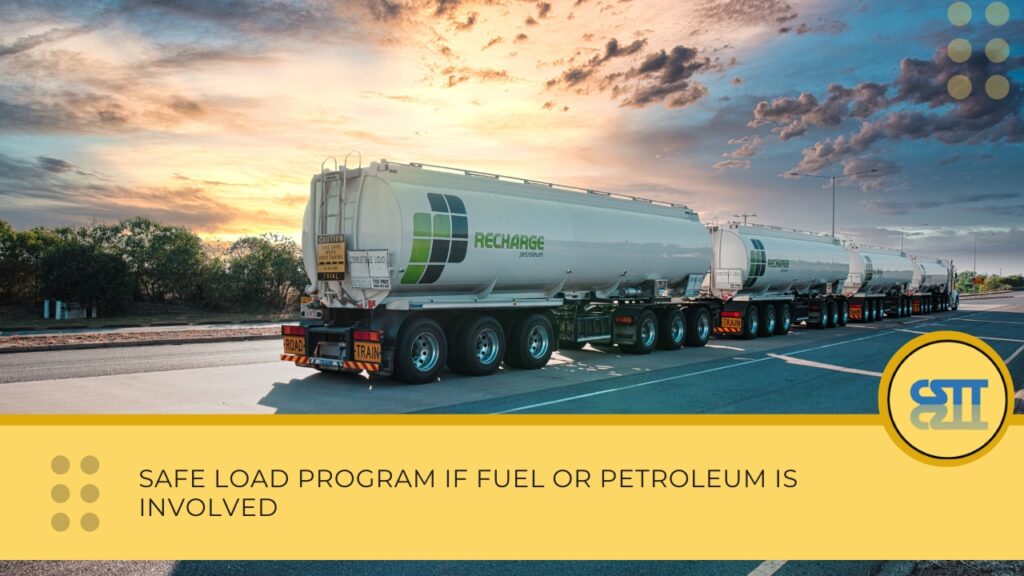
Safe Load Program If Fuel or Petroleum Is Involved
If your operations involve loading or transporting bulk fuels, drivers need Safe Load Program (SLP) certification in addition to their heavy vehicle and dangerous goods licences. The SLP is mandatory for entry to petroleum depots and terminals across Australia and is owned jointly by Ampol, Viva Energy, and BP. It is not negotiable and cannot be substituted with general dangerous goods training.
Checking The Full Picture Before Someone Starts
For businesses, a practical checklist before a prime mover driver starts:
- Correct heavy vehicle licence class (HC or MC depending on the configuration)
- Licence current and not expired or suspended
- Dangerous goods certification if carrying regulated quantities
- Safe Load Program card if accessing fuel terminals
- Medical fitness to drive declaration current
- Fatigue management records from previous employer if relevant
For drivers, the same list applies in reverse. Knowing exactly what you hold and what gaps you need to fill before applying for a role puts you in a stronger position and avoids delays once you are offered work.
Training Before Hire or After
Some businesses hire drivers who are close to having the right credentials and support them through the remaining training. Others require full certification before a driver starts. For drivers looking to enter the industry or move into heavier combinations, knowing the pathway ahead of time makes it easier to plan.
CSTT offers heavy vehicle driving courses including HC and MC licences, along with associated courses covering Dangerous Goods, Chain of Responsibility, Safe Load Program, and more. All training is based in Newcastle and delivered across the Hunter Valley, Central Coast, and broader NSW.
Whether you are a business working out what your drivers need, or a driver figuring out your next step, call us on 0434 366 758 or email chris@cstt.com.au and we can point you in the right direction.