
Transporting dangerous goods isn’t just about getting materials from one place to another, it’s about doing it safely, responsibly, and in full compliance with Australian regulations. If you’re a driver, warehouse worker, or logistics manager, understanding how to handle, package, and transport these goods correctly is critical for workplace safety and legal compliance.
What Counts as Dangerous Goods?
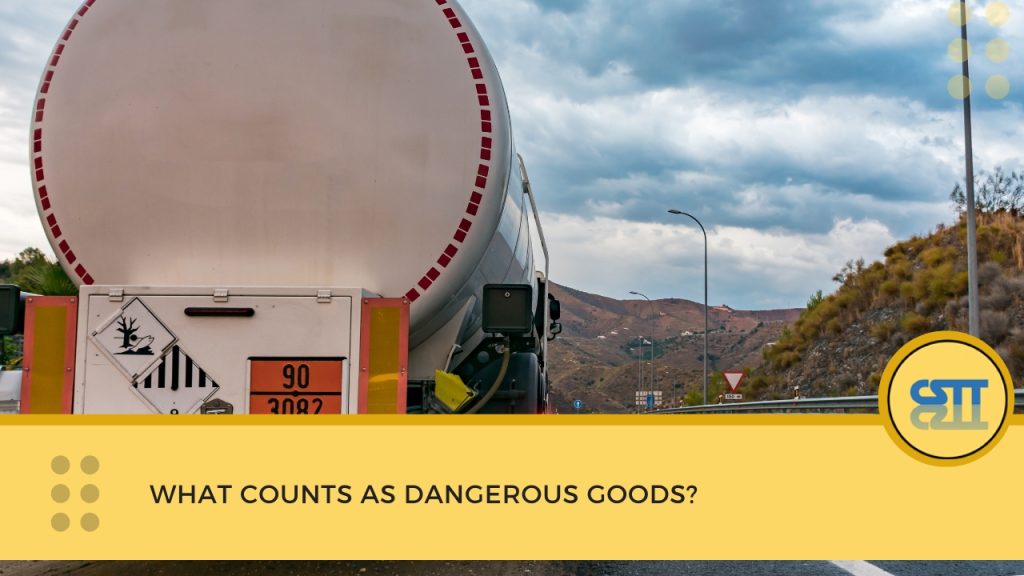
Dangerous goods are items or substances that pose a risk to health, safety, property, or the environment. They include flammable liquids, explosives, corrosives, toxic substances, gases, and oxidising agents. Even common items like fuel, paint, and cleaning chemicals can fall into this category when transported in bulk or specific forms.
Regulations and Responsibilities
In Australia, the transport of dangerous goods is governed by strict laws under the Australian Dangerous Goods (ADG) Code. These rules apply to all modes of transport, road, rail, air, and sea. Anyone involved in moving dangerous goods must ensure they’re correctly classified, packaged, labelled, and documented before leaving the site.
Failure to comply with these requirements can lead to serious safety incidents and heavy penalties. That’s why training is essential for anyone working in transport, logistics, or warehousing.
Why Training Matters
Understanding the ADG Code and knowing how to apply it in practical situations helps protect both workers and the public. Training provides the knowledge needed to:
- Identify different classes of dangerous goods.
- Use correct packaging, labelling, and placarding.
- Complete and manage transport documentation.
- Understand emergency response procedures.
With the right training, you’ll know how to minimise risk and ensure every consignment meets legal and safety standards.
Who Needs Dangerous Goods Training?
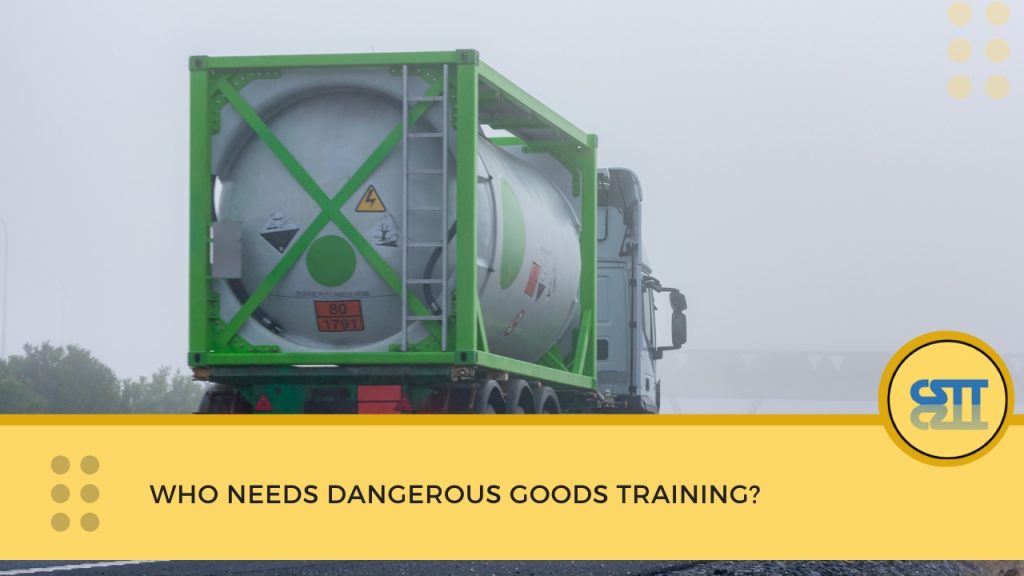
Anyone involved in the transport, storage, or handling of hazardous materials should complete accredited dangerous goods training. This includes drivers, site managers, forklift operators, dispatch staff, and anyone signing off on shipping paperwork. Even if you don’t handle the goods directly, understanding the rules helps you maintain compliance across your team or business.
The Role of Accredited Providers
Choosing a trusted, accredited training provider ensures your qualifications meet national standards. At CSTT, our Dangerous Goods courses are designed to give you the knowledge and confidence to handle hazardous materials safely and legally, with practical examples and clear guidance from experienced trainers.
Dangerous Goods Licence Courses in Newcastle & Sydney
Stay compliant and protect your workplace with CSTT’s Dangerous Goods Transport training.
Book a Course to get started and meet your compliance requirements.